−27%
Sit-ups, English 10–11-year-olds, over ten years.2

EXPERT ARTICLE · STRENGTH TRAINING FOR CHILDREN AND ADOLESCENTS
Strength training is a safe and highly recommended way to support a child's physical development, as long as technique comes before load, and it goes hand in hand with developing movement and coordination skills. For parents and PE teachers, I have summarised what the research says about strength training for children and adolescents: what is certain, what is still preliminary, and how to get started safely.
DEFINITION
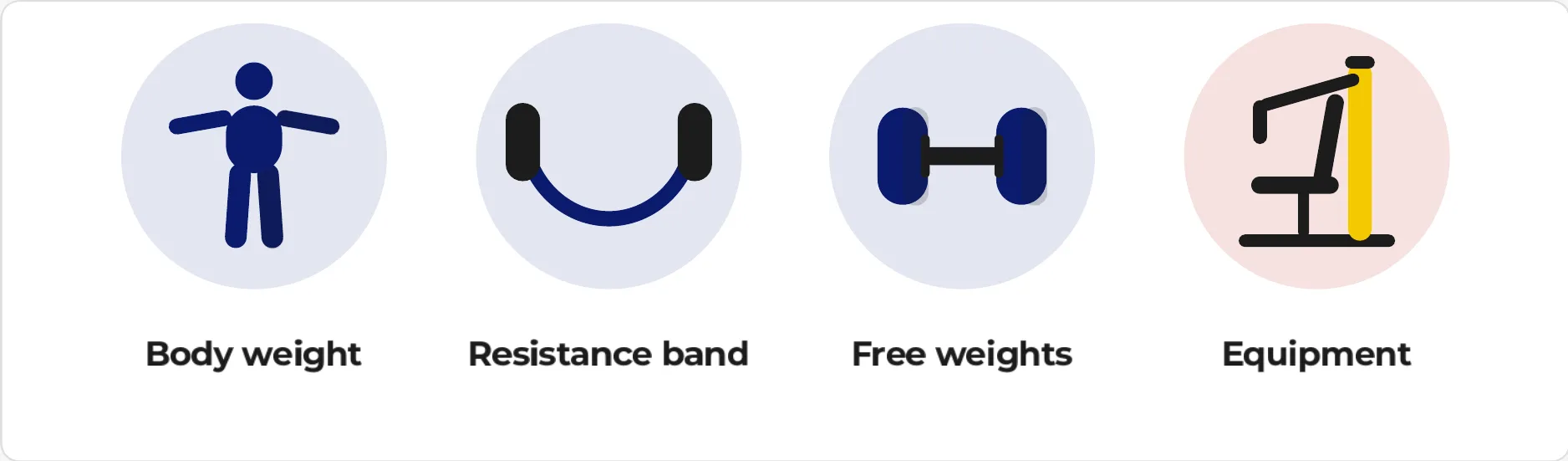
Strength training is an umbrella term for training in which the muscles work against resistance. It can emphasise maximal strength, power or muscular endurance. All three matter for health, and all of them can be trained in many different ways, by beginners and more experienced exercisers alike.13,8 The resistance can be your own body weight, free weights such as dumbbells and kettlebells, exercise equipment, or even a resistance band.10
In a review of more than a hundred studies, children and adolescents with stronger muscles had less body fat, better heart and metabolic health, and stronger bones and self-esteem.13
Weakness and clumsiness also feed each other. In a two-year follow-up of 501 children, 6–10-year-olds with weaker motor skills took part in less sport and therefore had fewer chances to improve.15
That is why strength is best trained together with fundamental movement skills such as running, jumping and throwing. Muscular strength is an essential part of movement skill, and the strength and skill built in childhood appear to lay the foundation for an active lifestyle later on.8,10
The comforts and opportunities of modern society have brought a great deal of good, but they have also increased sitting and screen time. The human body evolved to move, carry and climb, but everyday life no longer demands it. Strength therefore no longer develops by itself through daily tasks; it has to be trained deliberately.10 Children's muscular strength has indeed declined in several countries, including England and the Netherlands, and supervised strength training is an effective way to reverse the trend.2,8
−27%
Sit-ups, English 10–11-year-olds, over ten years.2
−26%
Bent-arm hang, English 10–11-year-olds, over ten years.2
−49%
Bent-arm hang in Dutch 9–12-year-olds declined by 16–49% over 26 years, depending on the group.2
Many parents, teachers, and coaches still carry worries that research has already disproved.
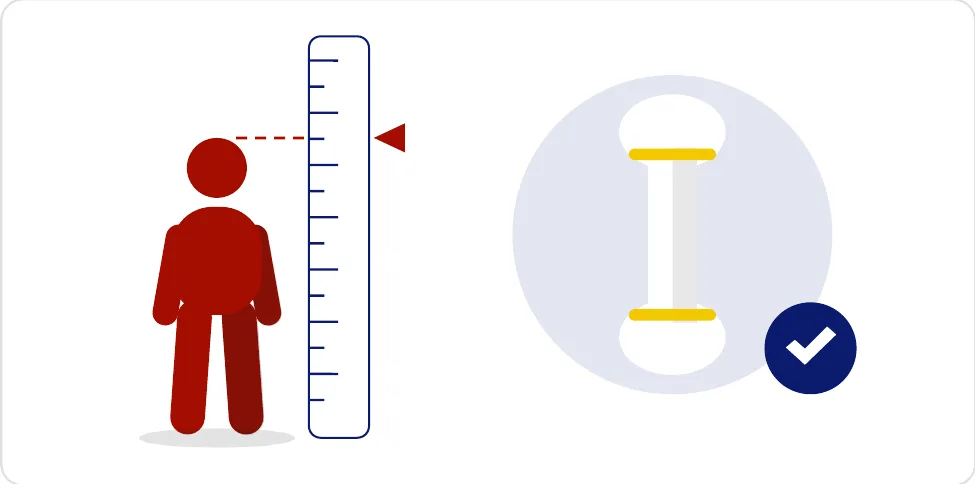
MYTH
Strength training stunts growth.
RESEARCH
There is no evidence for this. Well-designed strength training has not harmed growth plates or growth in height, and nothing suggests it reduces adult height. On the contrary, childhood and adolescence may be the best time to build strong bones.
MYTH
Children's muscles don't get stronger before puberty.
RESEARCH
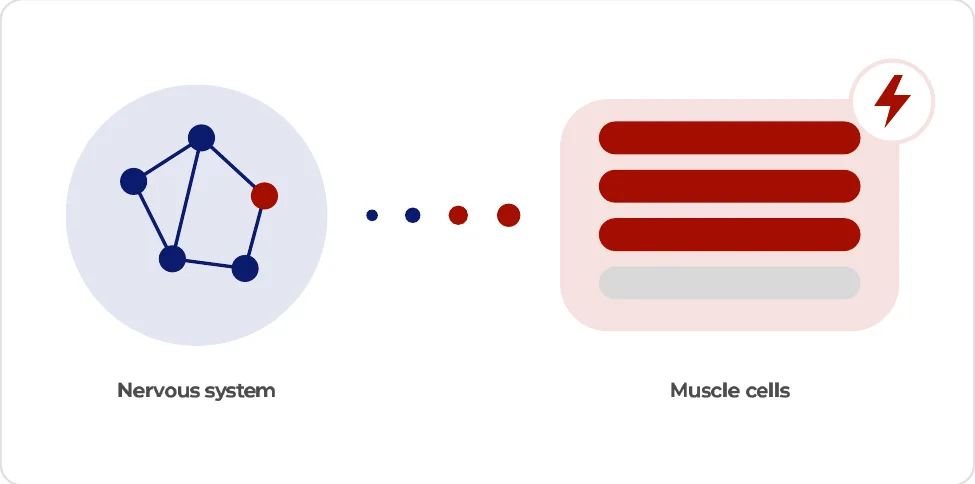
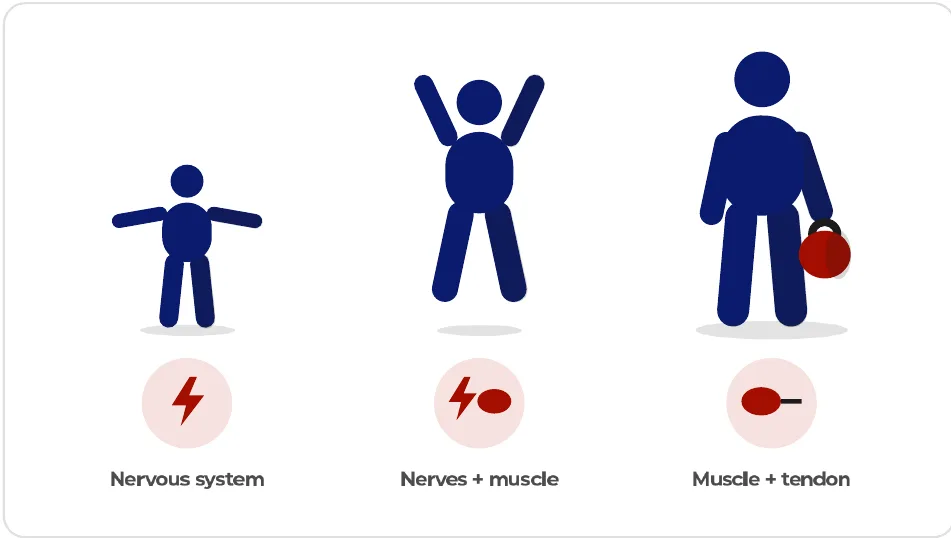
They do. Programmes of just 8–20 weeks increased the strength of prepubertal children by 13–30%. Before puberty, strength increases mainly because the nervous system learns to activate the muscles more efficiently, so that more and more muscle cells contract at the same time. In puberty, hormones also bring muscle growth.
MYTH
Strength training is dangerous for children.
RESEARCH
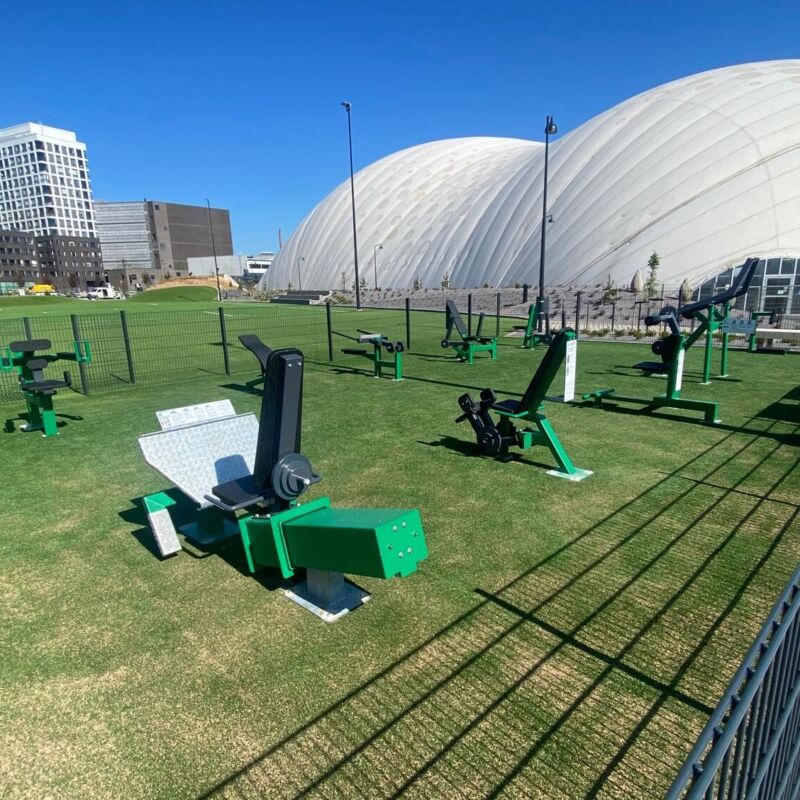
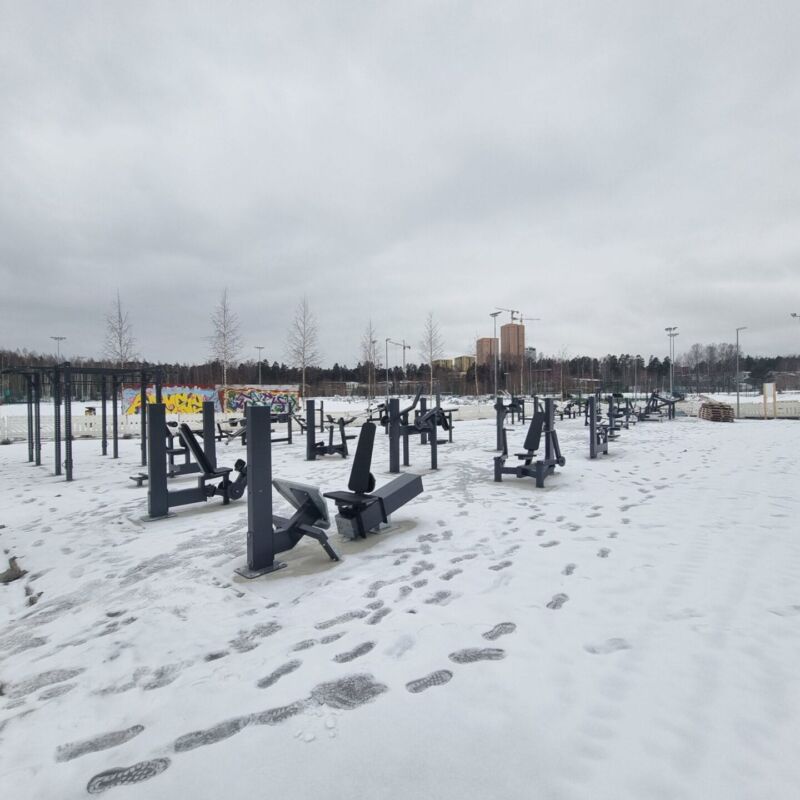
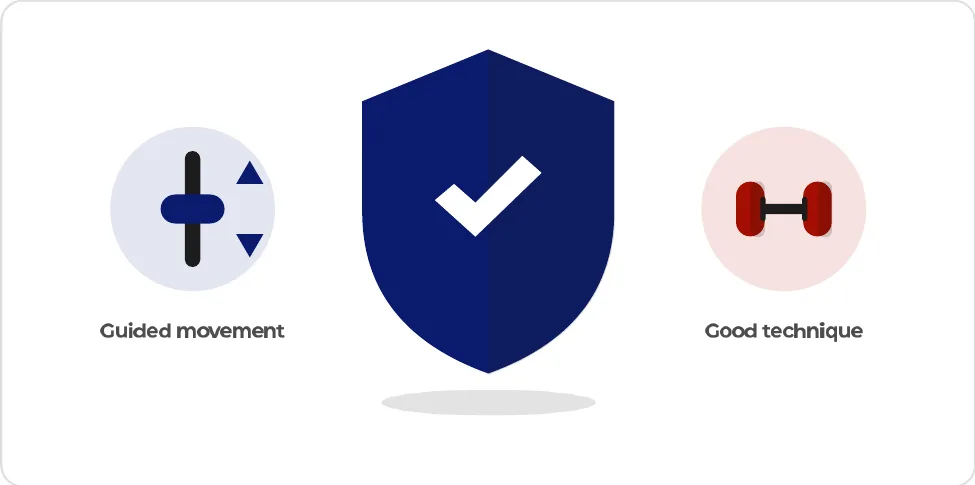
Not when the equipment and environment are safe. Children have fewer sprains and strains in strength training than adults. Of strength training injuries in 8–13-year-olds, 77% were accidents, and most happened in home gyms when a child used equipment meant for adults on their own. The most suitable exercise equipment designed for children is made precisely for independent use: the movement path is guided, the resistance is moderate and there are no loose weights. That is why children can train on it independently. The youngest benefit from an adult's support when they are learning the movements for the first time.
Myer et al. 2009; Lloyd et al. 2014; Stricker et al. 20209,8,10
MYTH
You have to lift heavy weights to benefit.
RESEARCH
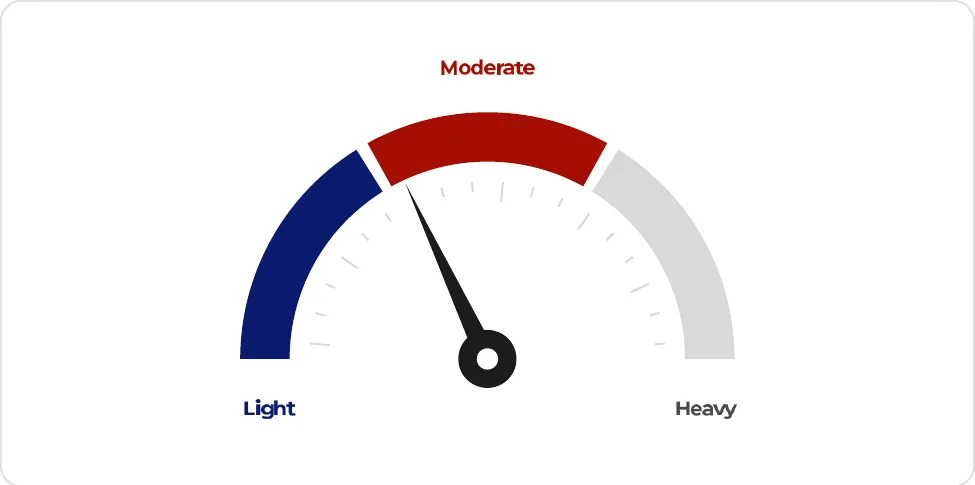
Not at first. Beginners are recommended 1–2 sets of 8–12 repetitions with light resistance, and body weight goes a long way. Previously untrained young people improved even more in jumping and sprint speed than those who had already trained.
Heavy weights are still not off-limits for young people. Once technique is mastered and some training background has built up, the load should be increased gradually, and more experienced young people can also train in periods with near-maximal weights that can only be lifted about 6–10 times, as long as technique stays good. In a meta-analysis of young athletes, strength improved most with exactly these kinds of heavy loads, and this finding was based on several studies. Long programmes of more than 23 weeks also produced large improvements in strength levels, but that finding is based on only two studies.
Stricker et al. 2020; Behm et al. 2017; Lloyd et al. 2014; Lesinski et al. 201610,3,8,1
In a meta-analysis of 43 studies, strength training moderately improved young athletes' strength and jumping ability, and slightly improved their sprint speed and agility. Girls and boys benefited similarly in strength and jumping, although few studies included girls.1
The benefits are not limited to performance. Strength training can improve body composition, reduce fat, improve insulin sensitivity in young people with overweight, and strengthen bones.8
Many of these results were measured in young people who already play sport. An inactive young person starts from a lower baseline, and in a review of more than a hundred studies, untrained young people improved more in jumping and sprint speed than trained ones.3
MIND
Physical activity appears to benefit young people's minds in many ways. The strongest evidence concerns learning and cognition, and physical activity reduced symptoms of depression by a moderate amount on average. There are also promising results for self-esteem and anxiety, but fewer high-quality studies so far.4
In a review of mechanisms, the strongest evidence was found for physical self-perception: when young people's view of their own body and skills improved, their self-esteem also improved in most studies.5 In strength training, progress shows quickly: more repetitions, and a movement that didn't work last week works now.
It also works the other way. Being embarrassed or feeling like a failure can lower self-esteem, so the environment needs to be encouraging rather than comparative. In a PE lesson, this means comparing a pupil's result with their own previous result, not with their classmates'.4,5
COMPANY AND ENVIRONMENT
HOW TO START
Everyday life no longer builds strength by itself, and children's strength levels have declined in several studies.2 Children who don't take part in activities that develop strength and movement skills early in life may be more vulnerable to health problems later on.8 That is why strength training can reasonably be considered an essential part of children's physical activity, and it also supports the development of movement and coordination skills.
Start light, learn the movements well and let the child find their own way to move.
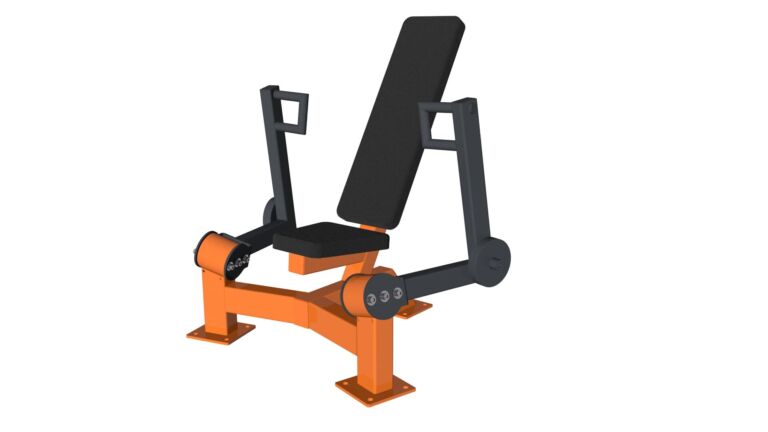
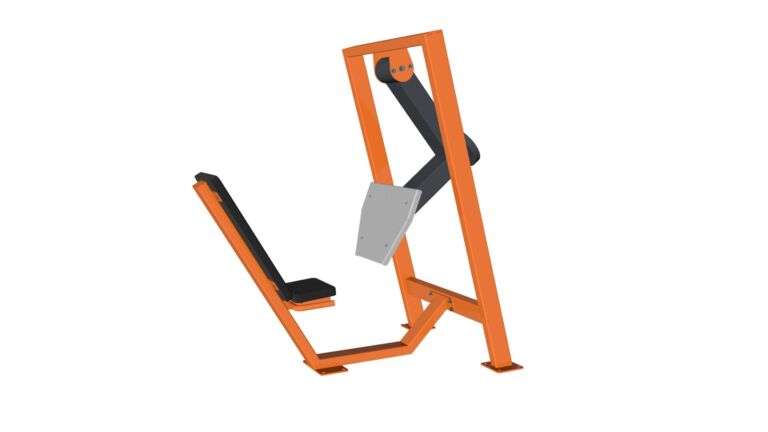
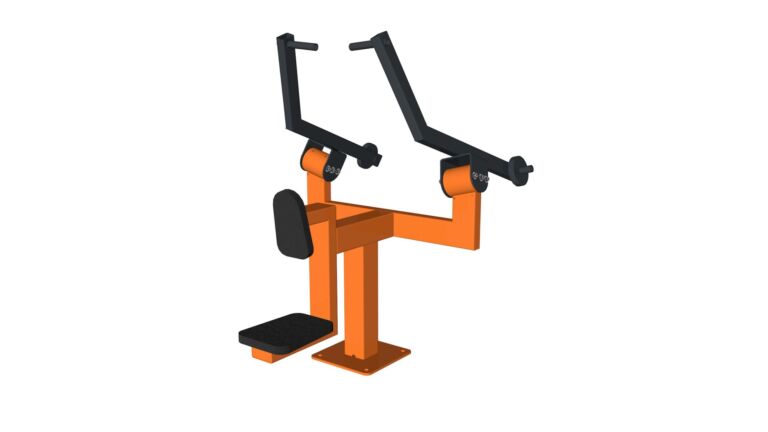
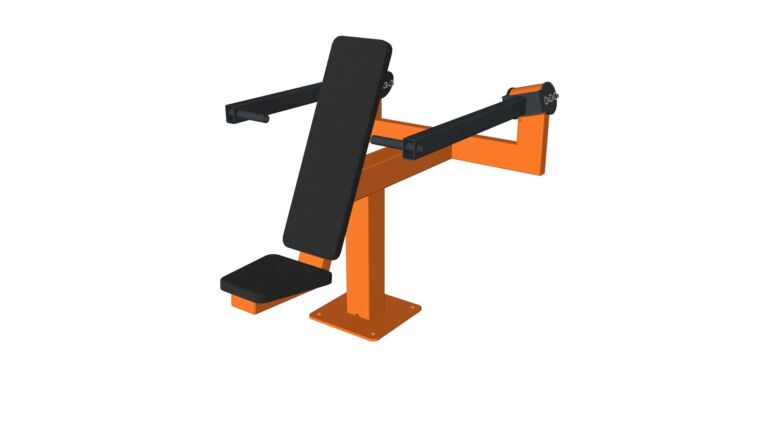
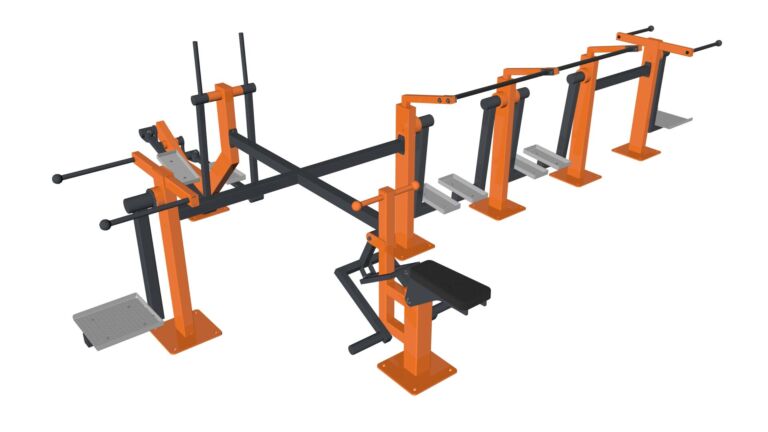
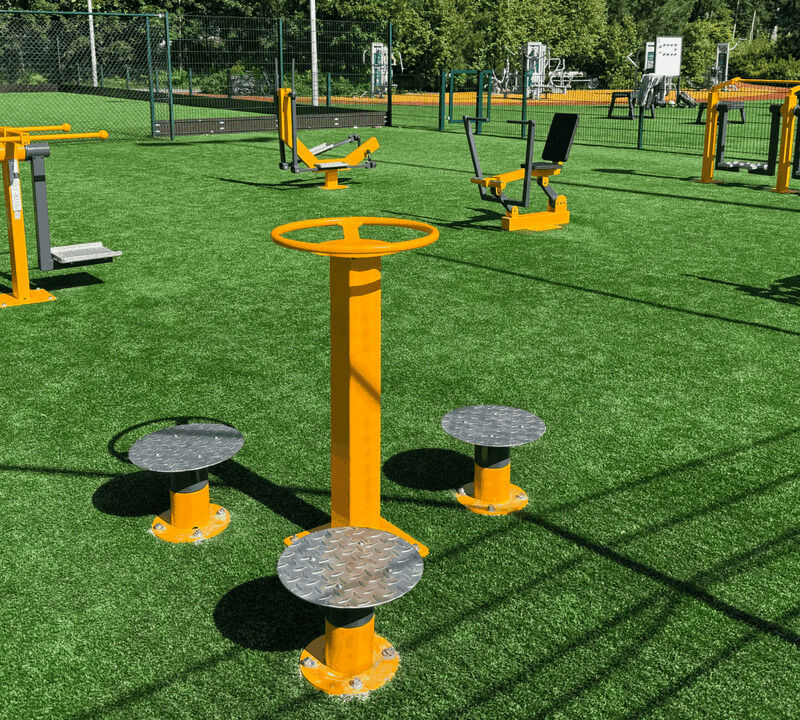
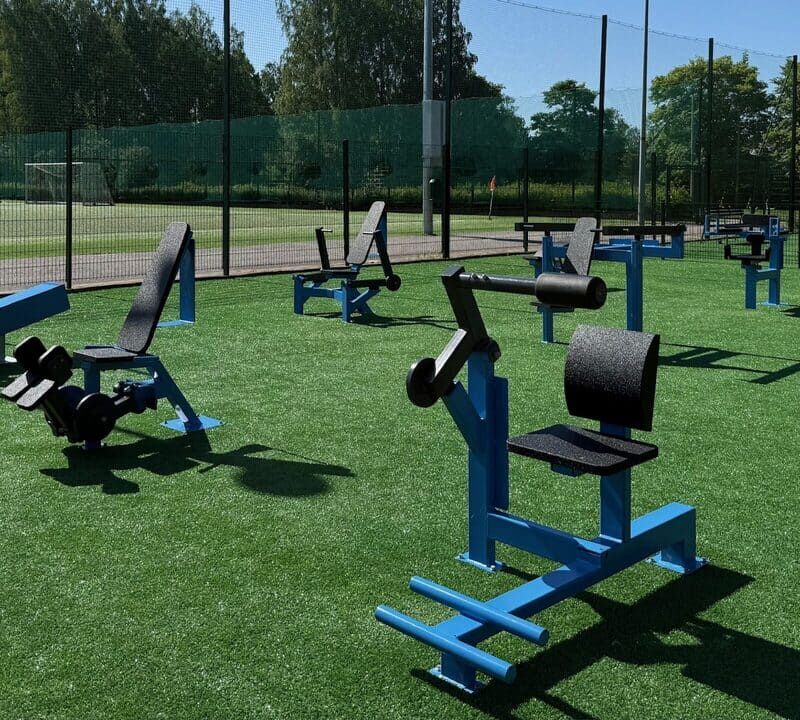
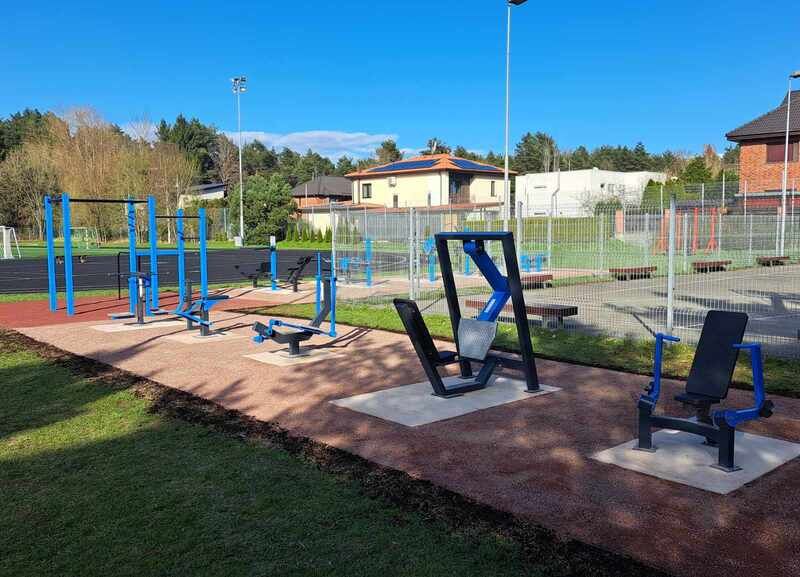
Safe, fixed-weight outdoor exercise equipment designed for children.
Drop us a line — we reply with pricing, product cards and delivery details.